What to verify before booking a Dubai dune buggy ride
Understanding the experience you are booking
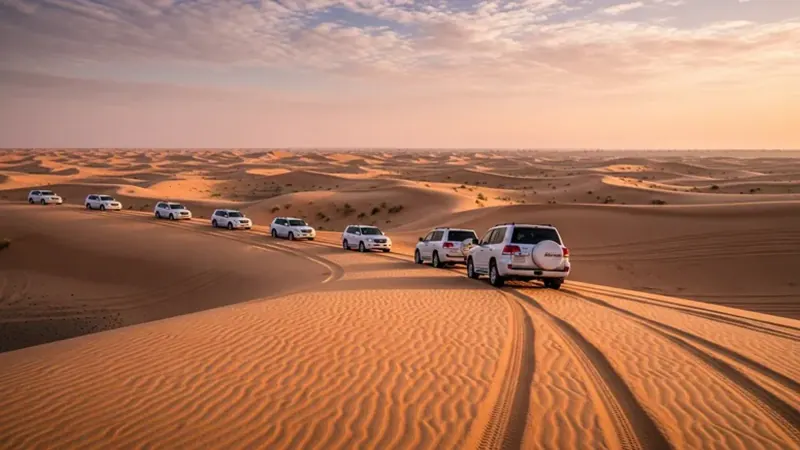
A dune buggy ride across Dubai's desert sand dunes can be a memorable part of a visit to the region. The combination of an off-road vehicle, open desert, and the challenge of navigating soft sand appeals to many travellers. Yet the quality and safety of these rides vary between operators. Before you confirm a booking, it is worth checking a handful of practical details. Knowing what to look for helps you choose a trip that matches your expectations and keeps you comfortable throughout the ride.
Dubai's desert environment is not like driving on a paved road. The sand shifts under the wheels, the sun is intense, and the terrain changes constantly. A well-run dune buggy operation accounts for these factors with proper equipment, clear guidance, and suitable trails. The points below cover the main areas to examine before you commit to a booking.
Vehicle condition and maintenance
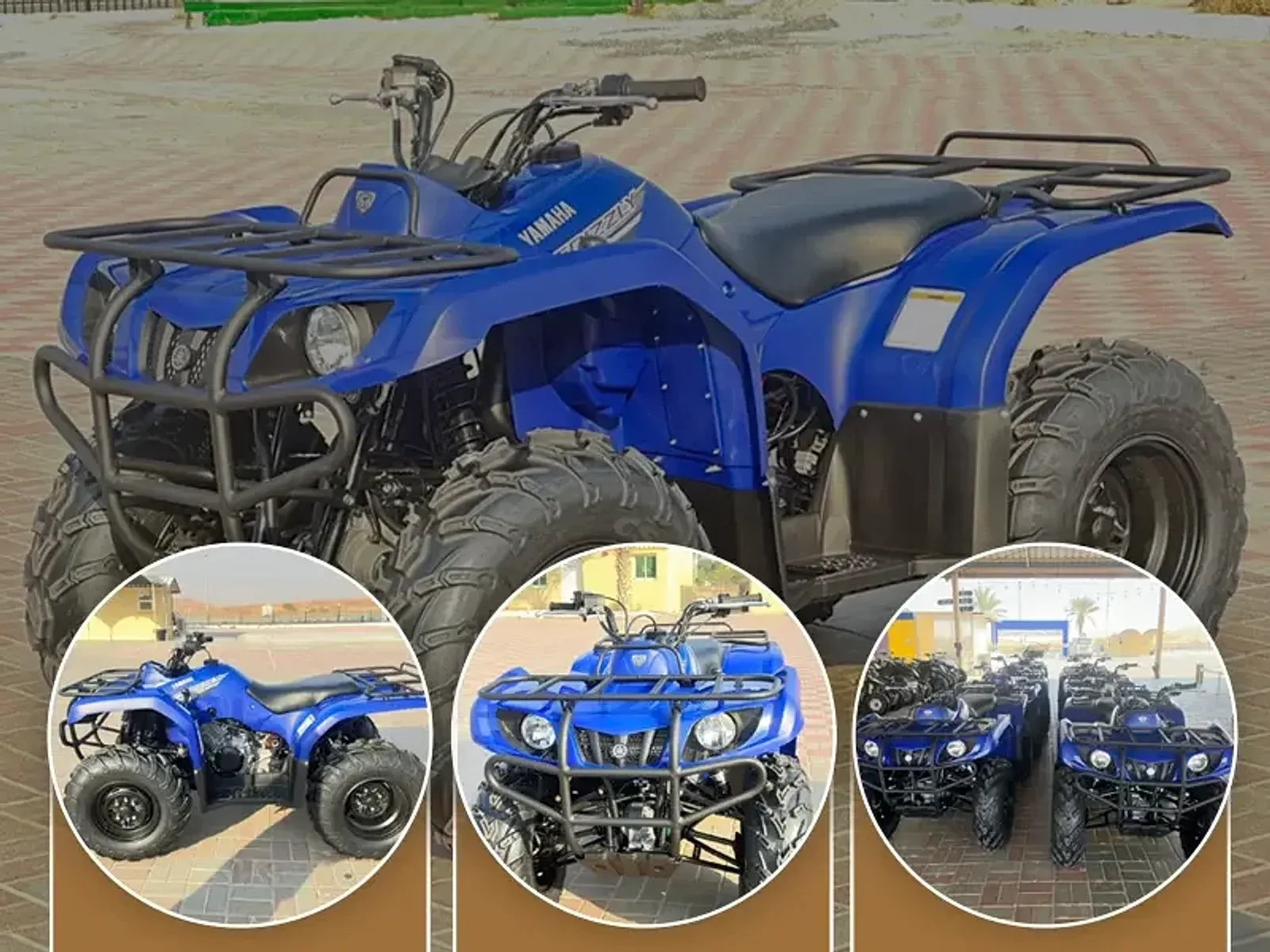
The dune buggy itself is the centrepiece of the experience. You will be spending time inside it, so its condition matters for both safety and enjoyment. Ask the operator about the age of their fleet and how often the vehicles are serviced. A well-maintained buggy will have clean engines, intact seat belts, and responsive brakes. Tyres designed for sand should show good tread depth and no signs of uneven wear. If you can, look at the vehicle before you set off. A quick walk around gives you a sense of whether the operator takes care of their equipment.
Dune Buggy Dubai | ATV Quad Bike and Desert Safari Dubai is also on Pinterest.
Another point to check is the seating configuration. Some buggies are two-seaters, while others can carry more people. If you are travelling as a pair, a two-seater buggy gives each person a proper seat with its own seat belt. Confirm that the buggy you are assigned is the one you booked. Operators sometimes substitute vehicles if their fleet is stretched, and the replacement may be older or less suitable for your group.
Safety briefings and protective gear
Before any ride, a thorough safety briefing should be standard. The briefing should cover how to operate the buggy, what to do if you get stuck in soft sand, and how to communicate with the guide during the ride. Pay attention to whether the operator provides this information clearly or simply hands over the keys. A good briefing shows that the company treats safety seriously.
Protective gear is another aspect to verify. A helmet is essential, and it should fit snugly. Goggles protect your eyes from sand and dust, especially when following another buggy. Check that the operator supplies clean, well-maintained gear. If the helmet or goggles look worn or dirty, ask for replacements. Your comfort during the ride depends on this equipment working properly.
One local option is Dune Buggy Dubai | ATV Quad Bike and Desert Safari Dubai official site, which provides guided desert rides with a focus on safety. As with any operator, it is worth confirming the details of your booking directly with them to ensure the vehicle and gear meet your expectations.
Route and terrain knowledge
Not all desert trails are the same. Some operators stick to flat, open areas that are easy to drive but offer little excitement. Others take you over steeper dunes and through more varied terrain. Ask about the route before you book. A guided ride that follows a planned path through the dunes is usually more engaging than a free-for-all session where you drive wherever you want. Guides who know the desert well can adjust the difficulty to match your skill level, which makes the experience safer and more enjoyable.
If you are a beginner, a route that starts on easier ground and gradually introduces more challenging sections is ideal. Experienced drivers might prefer a route that pushes the buggy's capabilities. The operator should be able to describe the kind of terrain you will cover and how long the ride lasts. Avoid operators who are vague about the route or who promise extreme thrills without explaining how they will keep you safe.
Duration and group size
The length of the ride affects the overall value and enjoyment. Some trips last 30 minutes, while others can stretch to an hour or more. Shorter rides may feel rushed, especially if you need time to get comfortable with the controls. Longer rides allow you to settle into the rhythm of driving and appreciate the desert scenery. Confirm the exact duration of the ride you are booking, and check whether that time includes the safety briefing and gear fitting or is purely driving time.
Group size matters too. A small group means more personal attention from the guide and less waiting time at each stop. Large groups can feel crowded, and the dust kicked up by multiple buggies reduces visibility. Ask how many vehicles will be in your session. If the group is larger than six or seven buggies, you may want to choose a different time slot or a different operator.
Booking terms and what is included
Before you pay, read the booking terms carefully. Look for information about cancellation policies, weather conditions, and what happens if the ride must be postponed due to sandstorms or extreme heat. A reputable operator will have clear policies that protect both you and them. Check whether the price includes transport to and from the desert, water, and any snacks or refreshments. Some packages include extras such as photography or a short camel ride, while others are strictly the buggy experience. Knowing what is included helps you compare options fairly.
It is also worth confirming the payment method and whether a deposit is required. Some operators take a full payment upfront, while others ask for a small deposit and the rest on arrival. Avoid operators who demand cash only or who are unwilling to provide a receipt. A transparent booking process is a good sign that the business operates professionally.
For those researching their options, the Dune Buggy Dubai | ATV Quad Bike and Desert Safari Dubai official site offers details about their packages and booking procedures. As with any booking, checking the terms directly with the operator is the best way to avoid surprises.
Insurance and liability
Accidents can happen even on well-planned rides. Ask the operator about insurance coverage. Some companies include basic liability insurance in the price, while others expect you to sign a waiver accepting all risk. Understand what you are agreeing to before you sign. If the operator offers optional damage waivers, consider whether the extra cost is worth the peace of mind. A quick online search for the operator's name along with terms such as "insurance" or "liability" can reveal past customer experiences that help you decide.
Keep in mind that driving a dune buggy in the desert is not like driving a car on a road. The risk of rolling the vehicle is higher, especially on steep dunes. A good operator will have procedures in place to minimise that risk, but you should still be aware of the limits of your own driving ability. If you feel unsure about a particular section of the trail, tell the guide. They can adjust the pace or provide guidance.
What to wear and bring
The desert climate demands practical clothing. Loose, long-sleeved shirts and trousers protect your skin from the sun and from sand kicked up by the buggy. Closed-toe shoes are essential; sandals or flip-flops will not protect your feet. Sunglasses help reduce glare, though they should be worn under goggles to prevent them from flying off. A scarf or bandana can cover your mouth and nose if the dust becomes heavy.
Bring water, even if the operator provides it. Dehydration can happen quickly in the dry heat. A small backpack or a bag that straps to the buggy is useful for carrying water and personal items. Leave valuables at your accommodation; the desert is not a secure environment for wallets, phones, or cameras unless they are in a sealed, padded case.

Final checks before you go
On the day of your ride, arrive early enough to inspect the vehicle and gear, listen to the briefing, and ask any last questions. Confirm that the guide knows the route and that the radio or communication system works. A quick test drive around the staging area can help you get a feel for the controls before you head into the dunes. If something does not feel right, speak up. It is better to delay a ride than to start one with concerns.
Remember that the desert environment changes throughout the day. Morning rides are cooler and have softer light for photography, while afternoon rides can be hotter but offer sunset views. Choose a time that suits your comfort and your schedule. If you are prone to motion sickness, consider taking medication beforehand, as the constant up-and-down motion over dunes can cause discomfort.
For your convenience, the business associated with this article is located at Jumeirah Village Circle Plaza residences 2 - البرشاء جنوب الرابعة - قرية جميرا الدائرية - دبي - United Arab Emirates, and you can reach them by phone at +971 52 447 2719.